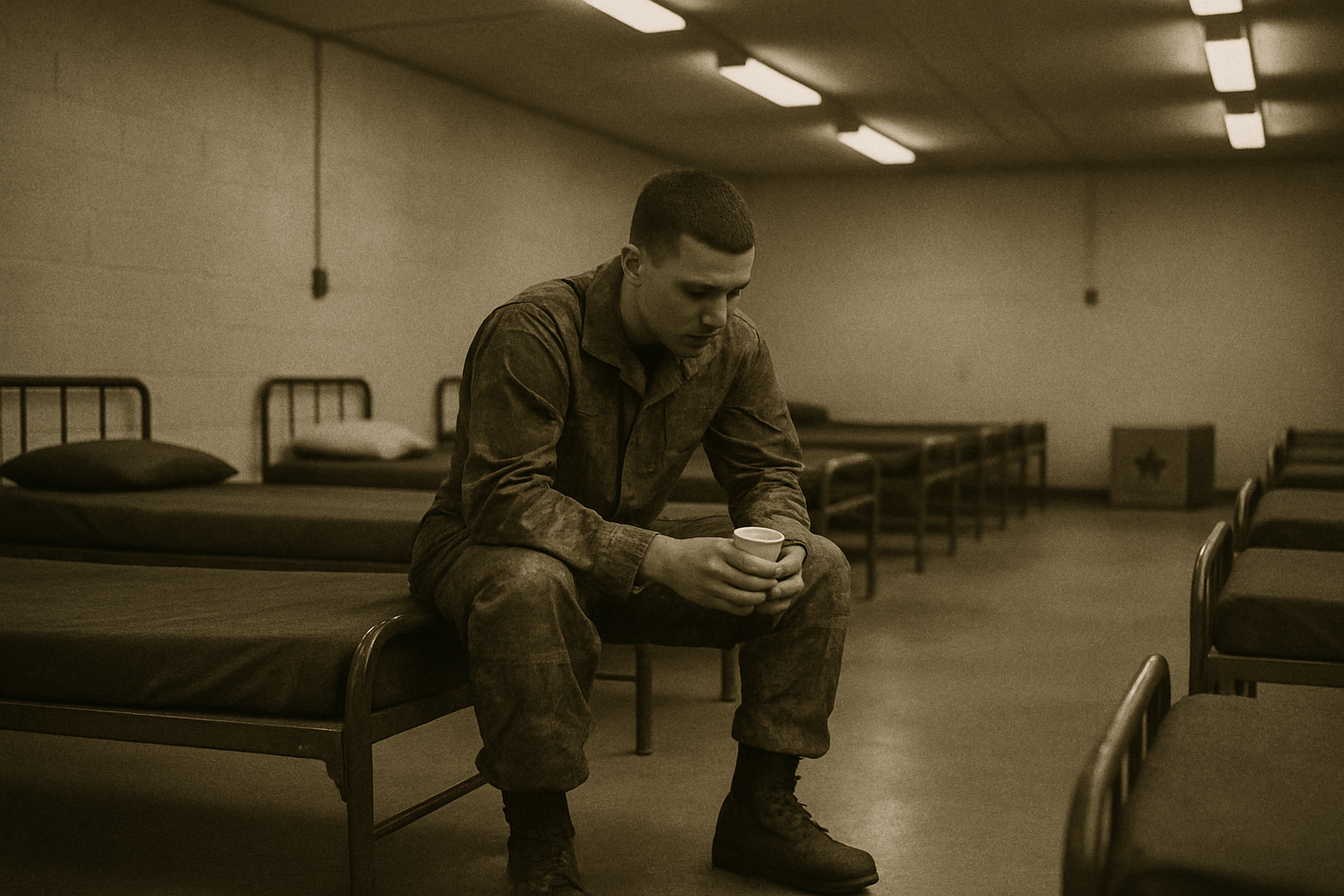
WASHINGTON — The Pentagon confirmed Tuesday that a flu outbreak affecting approximately 300 recruits at Lackland Air Force Base in Texas is completely unrelated to the decision, made weeks earlier, to make flu vaccines optional at Lackland Air Force Base in Texas, and officials stressed that anyone who believed otherwise was engaging in a kind of logical thinking that the Department of Defense does not officially recognize.
Defense Secretary Pete Hegseth declared the military's longstanding flu-shot mandate "overly broad and not rational" in April, a determination reached after a thorough review process that the Bureau of Force Health Protection described as "extensive," and which lasted, sources indicate, until someone decided it was done. The mandate was lifted. Recruits, exercising their newly granted medical autonomy, opted not to receive flu vaccines. Flu cases subsequently rose. These three sentences, the Pentagon emphasizes, do not form a sequence.
"The reinstatement of the flu vaccine requirement is a routine administrative update reflecting our commitment to military readiness," an unnamed senior defense official said from behind a podium at a briefing in which no follow-up questions were permitted. "It should not be interpreted as a response to any specific event, trend, medical data, or outbreak of the flu." The official then gathered his papers and left the room at a pace that several reporters described as "brisk."
The flu, for its part, has declined to comment, though the Bureau of Communicable Disease Epidemiology noted in an unrelated internal document that influenza A spreads efficiently in environments characterized by close quarters, shared sleeping facilities, communal dining, and the suspension of mandatory vaccination programs. The bureau stressed that this observation was "theoretical in nature" and was not directed at any base, region, or event currently under discussion.
Military historians note that the U.S. Armed Forces have required flu vaccinations since 1945, a policy implemented after observing that large groups of people living in close proximity without flu vaccines tended to get the flu. This historical record is considered by current Pentagon leadership to be "interesting context" rather than "relevant precedent," according to a spokesperson who asked not to be named because they are employed.
The 300 affected recruits, who are recovering, have been described by base officials as "temporarily non-mission-capable," a designation that differs from "sick" primarily in that it appears on forms. Each recruit had entered basic training healthy, received no flu vaccine under the updated optional framework, and subsequently contracted influenza. The sequence of events, a Pentagon logistics officer confirmed, "does not imply causation, and we would ask that the media respect that."
In a related development that is also unrelated to anything, the Air Force formally requested the restoration of mandatory flu vaccination requirements approximately three weeks before the outbreak was publicly reported, citing what internal documents called "gaps in herd immunity coverage" at recruit training installations. The Bureau of Coincidence Identification is currently reviewing whether the word "gaps" constitutes an admission of anything.
The mandate is now back in place. The flu is now receding. Officials remain confident that the two facts have not met.