WASHINGTON — The House of Representatives concluded its legislative quarter Thursday by canceling its final remaining work day, allowing members to immediately begin a seven-week tour of their home districts to explain, in person, how much work they had been doing. Speaker Mike Johnson announced the early departure just twenty-four hours after telling reporters he had no plans to do so, a turnaround that senior leadership aides described as "a reflection of evolving operational priorities" and others described as a Tuesday.
The decision to skip the chamber's last scheduled voting session was praised internally as "a necessary investment in constituent outreach," according to a spokesperson for the Bureau of Legislative Productivity, which does not exist but would have very little to track if it did. Members were encouraged to return to their districts immediately and begin explaining to voters the importance of an institution that, by the time they arrive home, will not have cast a vote in nearly two months.
"You have to go out there and make the case," said one unnamed senior lawmaker, who asked not to be identified because he was already on a plane. "The American people deserve to hear directly from their representatives why Congress deserves more time — and frankly, you can't do that from Washington. You have to be somewhere else entirely."
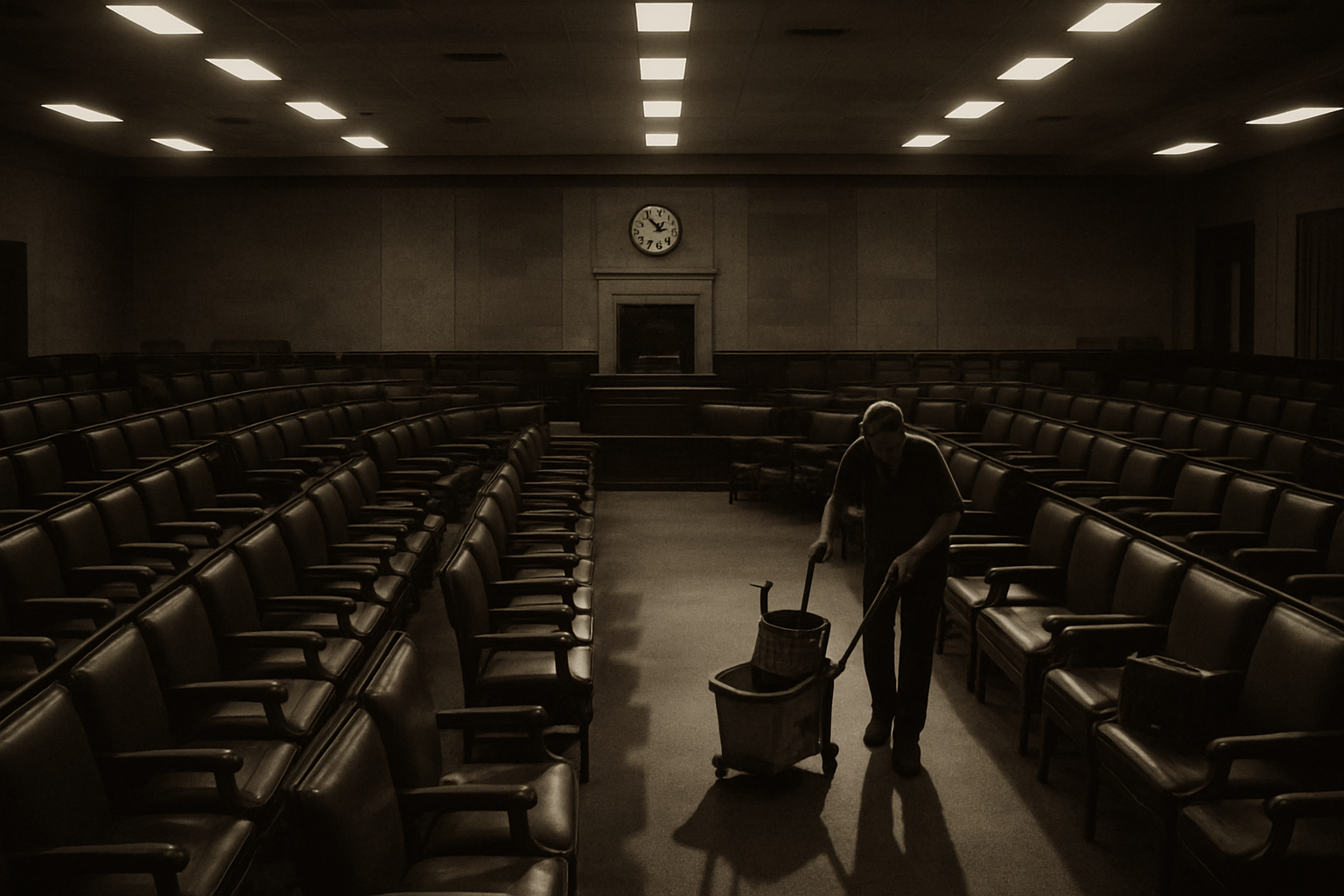
The cancellation carried an additional benefit that officials declined to characterize as a benefit: it neatly avoided a floor vote on a resolution to impeach Defense Secretary Pete Hegseth, introduced by a Republican member of Johnson's own conference. That member, Representative Dave Joyce of Ohio, subsequently took to the House floor — one of the few members to do so — and formally rebuked the Speaker for leaving. He was addressing approximately forty empty leather chairs and a man adjusting the lighting.
According to a congressional schedule reviewed by this publication, the House has been in session for roughly 111 days so far this year, a figure the Bureau of Calendar Expectations notes is consistent with an institution that receives full federal benefits, a $174,000 annual salary, and a franking privilege that allows members to mail constituents letters about their productivity at no personal cost. The United States Congress has, historically, worked fewer days per year than the Kentucky state legislature, a fact verified by multiple governance researchers and funnier than anything we could have written.
Colleagues of the Speaker expressed measured support for the decision, with several noting that the seven-week recess would give members ample time to hold town halls, attend ribbon-cuttings, appear at county fairs, and record short videos in front of American flags explaining that Washington is broken and that they, personally, are working tirelessly to fix it from a parking lot in Shreveport.
"This is what accountability looks like," said a spokesperson for the Office of Member Communications, which requested anonymity despite being an office with a name. "You go home. You look your constituents in the eye. You tell them you've been fighting for them every single day. And if they ask what you passed, you pivot to the debt, because that always works."
The House chamber was locked and dimmed by mid-afternoon. A facilities worker retrieving a forgotten briefcase from the aisle near row seven reported that the acoustics, without members present, were actually quite good.